
Hyperbaric Oxygen Therapy for Chronic Refractory Osteomyelitis
When deep bone infections persist despite multiple surgeries and long courses of antibiotics, hyperbaric oxygen penetrates the hypoxic bone cortex, supercharges antibiotic efficacy, and arrests infection.
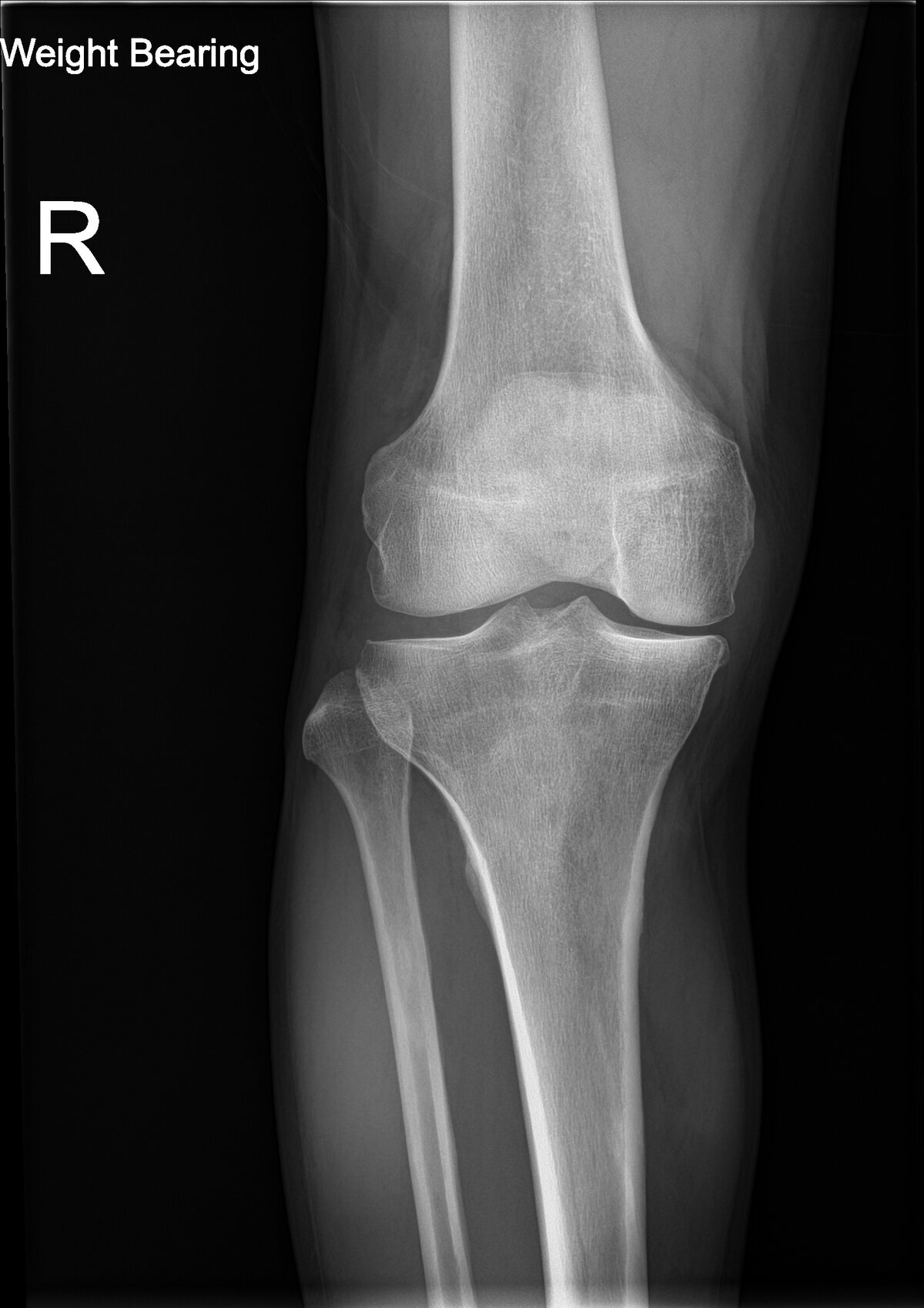
Why Deep Bone Infections Persist & How Oxygen Breaks the Cycle
Bone is encased in rigid mineralized structures. When infected, swelling compresses internal micro-vessels, creating dense, oxygen-starved zones of dead bone called sequestra where bacteria hide behind impervious biofilms.
Restoring Osteoclast Bone Resorption
Osteoclasts—the specialized scavenger cells responsible for clearing away dead, infected bone (sequestra)—are completely inactive in low-oxygen environments. HBOT restores normal oxygen tension, allowing the body to break down and resorb necrotic bone fragments.
Synergistic Antibiotic Potentiation
Many frontline antibiotics (such as aminoglycosides and fluoroquinolones) require oxygen to be actively transported across bacterial cell walls. HBOT synergistically amplifies the bactericidal potency of these medications, penetrating biofilms that protect resistant bacteria.
Stimulating New Bone Growth (Osteogenesis)
Hyperbaric oxygen activates osteoblasts and promotes the formation of new vascular capillary buds within the rigid haversian canals of bone, providing the nutritional highway required for stable, healthy bone remineralization.
Eradicating Anaerobic & Biofilm Pathogens
Deep bone infections often harbor bacteria shielded by slime layers (biofilms) and low-oxygen pockets. High-pressure oxygen generates reactive oxygen species that disrupt biofilms and restore white blood cell phagocytosis.
When is HBOT Recommended for Bone Infections?
Under hospital and hyperbaric society guidelines, hyperbaric oxygen is recommended when initial aggressive surgical debridement and 4 to 6 weeks of culture-directed parenteral antibiotics have failed to halt infection recurrence.
Peer-reviewed systematic reviews demonstrate that adding hyperbaric oxygen therapy to surgical debridement and targeted antibiotic regimens achieves long-term infection resolution in approximately 80% of refractory cases, dramatically reducing repeat surgeries and hospital readmissions.
Coordinated Care with Orthopedics & Infectious Disease
We work closely with referring orthopedic surgeons, infectious disease consultants, and primary care physicians across Simcoe County. Our team provides regular clinical progress notes, coordinates interval laboratory tests (ESR, CRP, CBC), and facilitates post-treatment imaging reviews.
Chronic Osteomyelitis Questions & Answers
What is "Refractory" Chronic Osteomyelitis?
A bone infection is considered "refractory" when it has persisted or returned despite appropriate standard treatment—typically meaning surgical cleaning (debridement) and at least 4 to 6 weeks of targeted oral or intravenous antibiotics. At this stage, compromised blood flow and dead bone tissue prevent standard drugs from resolving the infection on their own.
Is hyperbaric therapy for osteomyelitis covered by OHIP?
Yes, 100%. Chronic refractory osteomyelitis (CROM) is an approved indication under Ontario Ministry of Health and UHMS guidelines. Patients with eligible refractory bone infections receive treatment with zero out-of-pocket costs.
Do I still need to take my antibiotics while doing HBOT?
Yes. HBOT does not replace your antibiotics—it makes them dramatically more effective. Hyperbaric oxygen restores the oxygen-dependent transport mechanisms that allow antibiotics to penetrate bacterial cell membranes and kill deep bone pathogens.
How many hyperbaric sessions are usually required?
Because bone turns over and remodels much more slowly than soft tissue, treatment for chronic osteomyelitis typically involves 30 to 40 sessions (and up to 60 for complex cases), scheduled once daily Monday through Friday. Progress is monitored with periodic clinical evaluations, inflammatory blood markers (ESR, CRP), and repeat diagnostic imaging.
Can I refer myself if my bone infection keeps coming back?
Yes! Patients are welcome to submit an online self-referral or call our clinic directly. Our clinical team will coordinate with your orthopedic surgeon, infectious disease specialist, or family doctor to gather your imaging and surgical records.
Break the Cycle of Persistent Bone Infection
If you or your patient are struggling with chronic bone pain or drainage that antibiotics haven't cleared, hyperbaric oxygen may be the solution.