
Hyperbaric Oxygen Therapy for Diabetic Foot Ulcers & Chronic Wounds
When standard wound dressings and antibiotics aren't enough, oxygen is the missing piece. HBOT promotes healthy tissue granulation, fights deep infections, and dramatically reduces the risk of amputation.
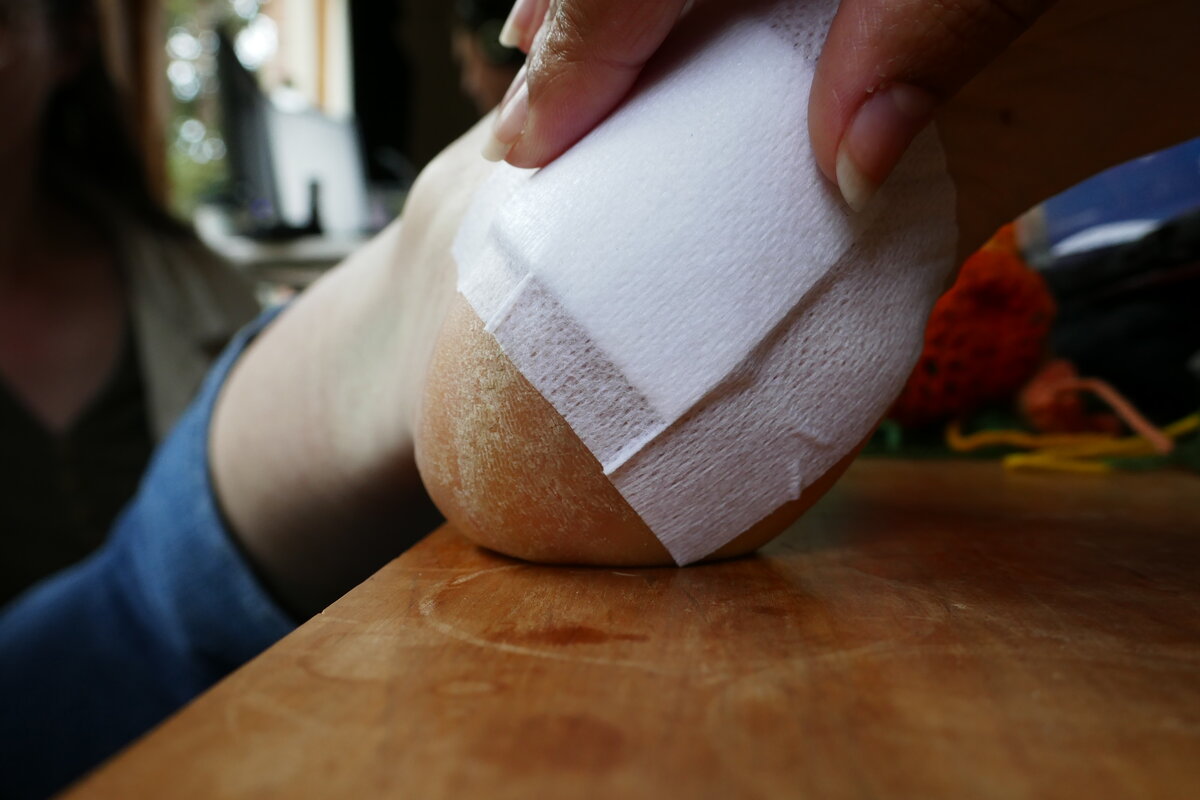
How Hyperbaric Oxygen Heals Chronic Wounds
Diabetes often damages microcirculation (small blood vessels) and causes peripheral neuropathy. As a result, chronic ulcers become deeply hypoxic—starved of the vital oxygen required to heal.
Stimulating Angiogenesis (New Blood Vessels)
Wounds cannot heal without blood flow. Breathing 100% pure oxygen at hyperbaric pressures stimulates Vascular Endothelial Growth Factor (VEGF), spurring the growth of rich new micro-capillary networks into oxygen-starved tissue beds.
Powering White Blood Cells to Fight Infection
Diabetic ulcers often harbor resistant bacteria. White blood cells rely on molecular oxygen for the "oxidative burst" needed to kill pathogens. HBOT supercharges your immune defense and enhances the bactericidal power of antibiotics.
Accelerating Collagen Synthesis & Granulation
Fibroblasts require high oxygen tension to manufacture healthy collagen fibers and rebuild connective tissue. Hyperbaric oxygen transforms sluggish, pale wound beds into vibrant, beefy red granulation tissue.
Reducing Swelling & Edema
High-pressure oxygen causes localized microvascular vasoconstriction without compromising tissue oxygen delivery, effectively reducing chronic tissue swelling and improving capillary perfusion.
Are You or Your Patient a Candidate for OHIP-Covered Care?
Hyperbaric oxygen therapy is recommended for patients whose wounds are failing to show progress despite standard medical wound care. Simcoe Hyperbarics accepts both direct physician referrals and patient self-referrals.
Clinical studies consistently demonstrate that adjunctive hyperbaric oxygen therapy significantly increases complete wound closure rates and prevents amputation in patients with refractory diabetic foot ulcers.
A True Team Approach to Wound Healing
HBOT does not replace your primary care team—it supercharges it. We work in tight coordination with your existing caregivers across Barrie and Simcoe County.
Family Physicians
Routine progress notes and wound updates sent after every treatment block.
Chiropodists & Podiatrists
Collaborating on proper biomechanical offloading, debridement, and footwear.
Vascular Surgeons
Pre- and post-revascularization oxygenation to salvage borderline ischemic limbs.
Home Care Nurses
Aligning dressing protocols and monitoring blood sugar stability between visits.
Diabetic Wound Care Questions & Answers
Is hyperbaric therapy for diabetic foot ulcers covered by OHIP?
Yes, 100%. Under Ontario Ministry of Health (OHIP) and Health Quality Ontario clinical criteria, hyperbaric oxygen therapy is fully covered for patients with eligible chronic diabetic wounds (typically Wagner grade 3 or higher or non-healing chronic wounds failing 30+ days of standard therapy). There are no out-of-pocket costs.
Can I refer myself, or do I need my doctor's referral?
You can do either! Patients are welcome to submit an online self-referral or call our clinic directly. If you self-refer, our team will reach out to you and liaise with your family physician, chiropodist, or wound care specialist to obtain necessary clinical notes and ensure seamless collaborative care.
How many treatments will I need to heal my ulcer?
Because wound healing is a biological process requiring new blood vessel formation and tissue regeneration, HBOT is delivered daily (Monday through Friday, 90 minutes per session). Most diabetic foot ulcer patients complete between 20 and 40 sessions. Our medical director and nursing team perform regular photographic wound measurements to track your healing progress.
Does hyperbaric therapy replace my regular wound dressings or podiatrist?
No, HBOT is an adjunctive therapy—meaning it works hand-in-hand with your existing care. You will continue proper offloading shoes/boots, wound debridement, moisture-balanced dressings, and diabetic blood sugar management. HBOT provides the vital cellular oxygen needed for those standard treatments to succeed.
What is the evidence that HBOT prevents amputations?
Extensive randomized clinical trials and systematic reviews published in major medical journals have established that adding hyperbaric oxygen therapy to standard comprehensive diabetic wound care reduces the risk of major lower-extremity amputations by more than 70% in patients with refractory wounds.
Don't Wait for a Chronic Wound to Worsen
Early intervention prevents tissue breakdown and protects your independence. Contact our Barrie hyperbaric medical team today.